Most people never think about what happens on the other side of a funeral home door. They see the polished service, the calm director, the organised logistics. What they do not see is the same person who guided a grieving family through an arrangement conference at 10 a.m. taking a removal call at midnight, fielding enquiries the next morning, and doing it all over again the day after.
This is the reality of funeral service. And quietly, it is burning people out. Burnout in this industry does not look like someone dramatically quitting. It looks like a dedicated professional slowly losing the energy that made them so good at this work. It looks like shorter patience, heavier shoulders, and a growing sense that the job is taking more than it gives back. Good people are leaving, and the ones who stay are stretched thinner than ever.
In this article we see what are the sign of a burnout funeral homes how it effects quality of services and what funeral homes do to avoid this burnout.
What Burnout Actually Looks Like Inside a Funeral Home
It is easy to talk about burnout as a concept. But inside a funeral home, it shows up in very specific ways that most people in the industry will recognise immediately.
It is the funeral director who has not had a full weekend off in three months. It is the team member who cannot stop replaying a difficult family conversation from two days ago. It is the owner who is answering the phone at 11 p.m. because there is simply no one else to do it. Burnout in funeral service is not dramatic. It builds slowly, call by call, shift by shift, until something gives.
The Emotional Weight Keeps Stacking
Every single person who contacts your funeral home is going through one of the worst moments of their life. Your team has to show up with full presence and genuine compassion for every one of those interactions, no matter how many came before it that day.
That kind of emotional output does not just reset at the end of a shift. It stacks. Over weeks and months, it shows up as numbness, exhaustion, and a slow disconnection from the empathy that brought people into this work in the first place.
- Staff feel drained not from one hard conversation, but from the sheer number of them across every single day
- Many funeral professionals carry the weight of the families they have served long after the workday ends
- Absorbing grief from hundreds of families each year leaves a mark, even when it happens gradually
- The line between personal and professional life blurs in ways that make it hard to ever fully switch off
Being Available Around the Clock Wears People Down
Death does not respect business hours. Your team knows this better than anyone. Families call at midnight, on Christmas morning, on the one Saturday your director had planned to take off. In smaller funeral homes, that on-call responsibility consistently falls on the same few people with very little relief.
Over time, never knowing when the phone will ring stops feeling manageable and starts feeling like a trap. Sleep gets disrupted. Personal time feels borrowed rather than earned. And the people who care most about serving families well are the ones who find it hardest to say no, which means they end up paying the highest price.
- On-call shifts land on the same one or two people week after week, with no real rotation or recovery built in
- Interrupted sleep several nights a week becomes the norm, not the exception
- Directors feel guilty stepping away even on days off because they know no one else will pick up
- Over time, being constantly reachable stops being a work habit and starts feeling like a personal identity that is very hard to step out of
The Admin Pile Nobody Warned Them About
Ask most funeral directors why they chose this career and they will talk about wanting to support families through something painful. They did not sign up to spend hours returning routine phone enquiries, chasing paperwork, or answering the same questions about pricing and process for the tenth time that week.
But that is exactly what happens. The same person conducting a meaningful arrangement conference in the morning is often the same person handling intake calls, scheduling viewings, and managing supplier follow-ups through the afternoon. It is too much for one person, and it shows.
Paperwork, supplier coordination, and follow-ups pile up in the gaps between the work that actually matters
Routine enquiries about pricing, process, and service options take up a significant chunk of the working day
Intake calls that require no real expertise still demand time, attention, and a professional tone every single time
Scheduling and rescheduling viewings, transfers, and appointments happens manually and repeatedly
What This Burnout Actually Costs the Business
When burnout builds up and nothing changes, the effects spread well beyond the individual. The whole practice starts to feel it, and usually in ways that quietly hurt the business before anyone connects the dots.
Trained funeral directors who leave take years of community trust and family relationships with them. Replacing them costs time and money, but the bigger cost is the pressure that lands on the remaining team while the role sits open. That pressure accelerates burnout in the people left behind, and the cycle starts again.
When staff are exhausted, care quality slips. Not because they stop caring, but because there is only so much a person can give when they are running on empty. Details get missed. Follow-through gets inconsistent. The warmth and attentiveness that families remember and recommend starts to erode.
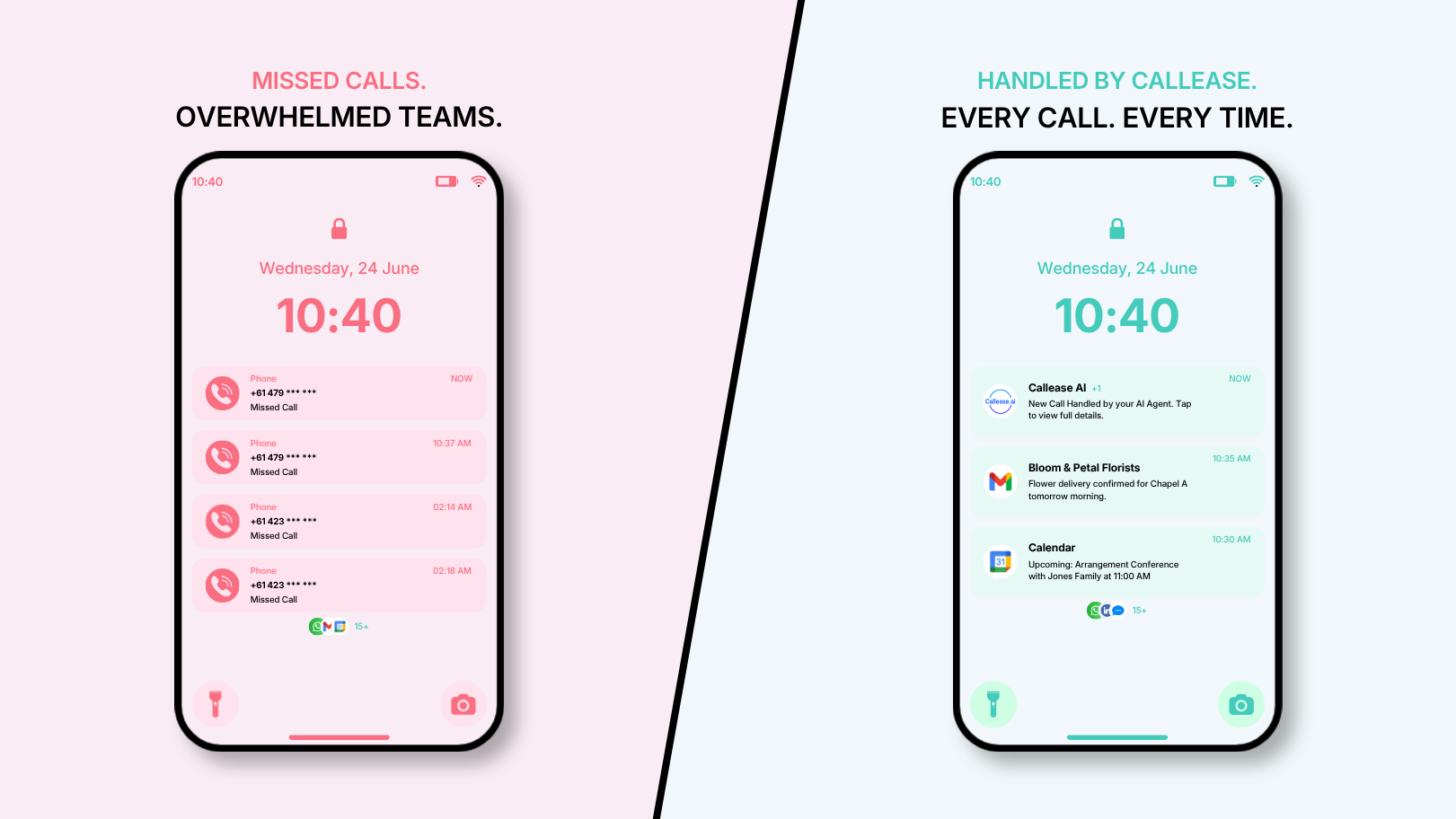
And then there are the missed calls. A grieving family who cannot reach you does not leave a voicemail and wait. They call the next funeral home on the list. Every unanswered call after hours is a family you never got to serve, and most owners never even know it happened.
A reputation for being hard to reach spreads through the community faster than most practices realiseIf you want to understand exactly what each plan covers, the full breakdown is on the Callease AI pricing page.
Staff turnover drains institutional knowledge, community trust, and team stability
Remaining staff absorb heavier workloads, which speeds up their own burnout
Tired teams miss details and deliver care that falls short of what families deserve
Missed after-hours calls quietly send families to competitors
How an AI Voice Agent Acts as the Real Solution
The emotional work of funeral service cannot and should not be replaced. But a huge portion of what is burning your team out has nothing to do with that. It is the phone that never stops ringing, the midnight enquiry that needed no human expertise, the same pricing question answered for the hundredth time. An AI voice agent for funeral homes steps in and handles exactly that layer, so your team can focus on the work that actually needs them.
It Answers Every Call So Your Team Does Not Have To
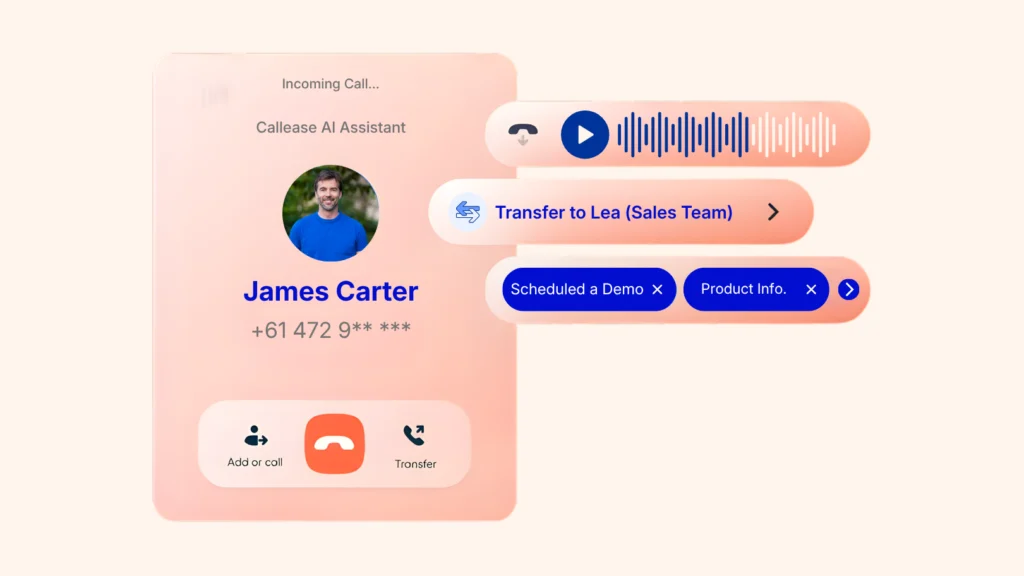
A modern AI voice agent for funeral homes holds a real, calm conversation with a grieving family, gathers intake details, answers common questions, and books appointments without putting anyone on hold or going to voicemail. No call goes unanswered at 2 a.m., no family is left without a response on a public holiday, and your team receives a full summary before they return any call so they walk in already prepared.
It Filters Out What Does Not Need a Human at Night
Not every after-hours call is urgent. Most are general enquiries or first-contact calls from families who are not yet at the point of needing an immediate response. With an AI voice agent handling those, your on-call staff only get contacted when something genuinely cannot wait, an active removal or a situation that needs a real person right now. That one change alone makes a measurable difference to your team’s sleep and energy.
It Gives Your Team the Space to Do the Job Properly
When routine call volume stops landing on your team all day, they have more of themselves available for the moments that matter. The arrangement conference gets full attention. The family who needs extra time gets it. The graveside conversation is not rushed because three calls are waiting. This is what the right technology does: it does not remove the human from the service, it gives the human the space to show up fully.ocessing claims in insurance, or running high-volume outreach in finance, Callease AI deploys within a week and starts delivering results from the very first call.



Conclusion: It Is Time to Talk About This Properly
The emotional heart of funeral service, the care, the presence, the genuine support your team offers to grieving families, that is irreplaceable. But answering routine enquiries at midnight, capturing the same intake details over and over, and scheduling appointments manually are not things that need a human being. Not anymore.
That is exactly the gap Callease was built to fill. The funeral homes using it are keeping their best people longer, responding to every family without burning anyone out, and building practices that are actually sustainable. The ones still running on the same model are losing good people and not always understanding why.
Your team got into this work because they care deeply. Give them the conditions to keep doing it well, and let CallEase handle the rest.